
Community Wellness Advice Needs Careful Checks

Community wellness advice Australia readers hear may come from neighbours, family, social groups, local markets, online forums, practitioners, or product sellers. Some advice may be well meant. Some may be useful as a question starter. However, community advice can miss safety details. Medicines, allergies, pregnancy, diagnosed conditions, surgery plans, and mental health concerns can change what is suitable. This guide explains how to assess complementary health and local wellness claims before buying, booking, or changing a routine.
Community Wellness Advice Australia Readers Should Inspect
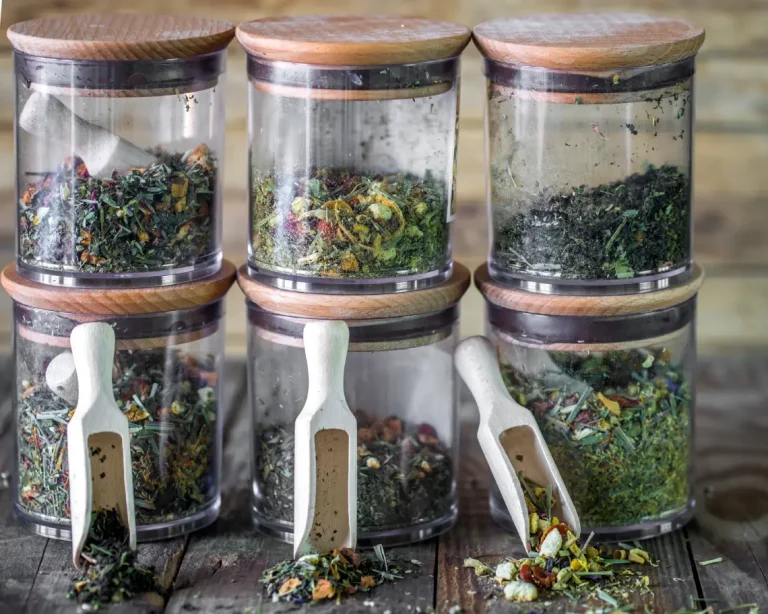
Community wellness advice Australia consumers may hear claims about:
- Herbal products
- Vitamins and minerals
- Magnesium products
- Sleep products
- Relaxation routines
- Aromatherapy preparations
- Nutrition plans
- Community activities
- Complementary therapies
However, these are not equal. A walking group is not the same as clinical care. A tea is not the same as a therapeutic product. A relaxation routine is not the same as diagnosis or treatment.
Healthdirect describes complementary therapy as often used alongside conventional medicine. Therefore, complementary health should not push readers away from GP care.
In addition, readers should identify the exact claim. Is it general wellbeing language? Or does it imply treatment of fatigue, anxiety, insomnia, pain, loneliness, digestive symptoms, or another condition? That distinction matters.
Familiar Sources Can Still Be Wrong
People often trust advice from familiar sources. That is understandable. However, a trusted person may not know your medicines, allergies, test results, diagnoses, or health history. They may also repeat advice from a product seller, social media post, or practitioner advertisement. Therefore, treat community advice as a prompt for questions, not a personal health plan.
Regulation Helps, But It Is Not Personal Approval
The Therapeutic Goods Administration regulates therapeutic goods in Australia. This includes many complementary medicines. However, not every wellness product or service is regulated in the same way. A food, tea, supplement, oil, class, community programme, service, or app may fall under different rules. In addition, a product or service being available in Australia does not mean it suits every person.
Claims That Should Stop You
Be cautious if a claim says:
- Cures disease
- Reverses symptoms
- Replaces medicine
- Works instantly
- Suits everyone
- Has no side effects
- Fixes the root cause
These claims are not a safe basis for health decisions.
Traditional Use And Local Stories Are Different From Evidence
Traditional use can provide cultural and historical context. Local stories can also show how people talk about health. However, neither proves that something treats a named condition. Neither proves personal suitability. Research can help, but research quality varies. A study may be small, early, product-specific, or not applicable to your situation. Therefore, responsible content explains limits. Weak marketing removes them.
Questions Before Following A Local Wellness Tip
Questions Before Acting
Before acting on community wellness advice, ask:
- What exactly is being claimed?
- Is it general wellbeing or a health condition claim?
- Who is giving the advice?
- Is anything being sold?
- What evidence is provided?
- Could it interact with medicines?
- Is it regulated in Australia?
- Does my GP or pharmacist know?
However, these questions do not replace personal healthcare advice. They prepare you for better conversations.
Frequently Asked Questions
Is community wellness advice always unsafe?
No. Some advice is general and harmless. However, health-related claims still need safety checks.
Should I follow a friend’s supplement suggestion?
Do not guess. Ask a GP or pharmacist, especially if you take medicines or have a health condition.
Does traditional use prove results?
No. Traditional use provides context, not guaranteed outcomes.
Can community support replace medical care?
No. Community support may be valuable, but it does not replace qualified healthcare.
The Bottom Line
Community wellness advice Australia readers hear should be handled carefully. Familiar advice can feel trustworthy, but it may miss important safety details. Look for the exact claim, the evidence, regulation context, and possible conflicts. Be wary of claims that replace medicine, promise fast outcomes, or suit everyone. Before using herbs, supplements, therapeutic products, or practitioner services, speak with a GP, pharmacist, or qualified healthcare professional.
Disclaimer: The information in this article is for educational purposes only. It does not constitute medical advice and is not a substitute for professional healthcare. Always consult a qualified healthcare professional before making any changes to your health routine.